
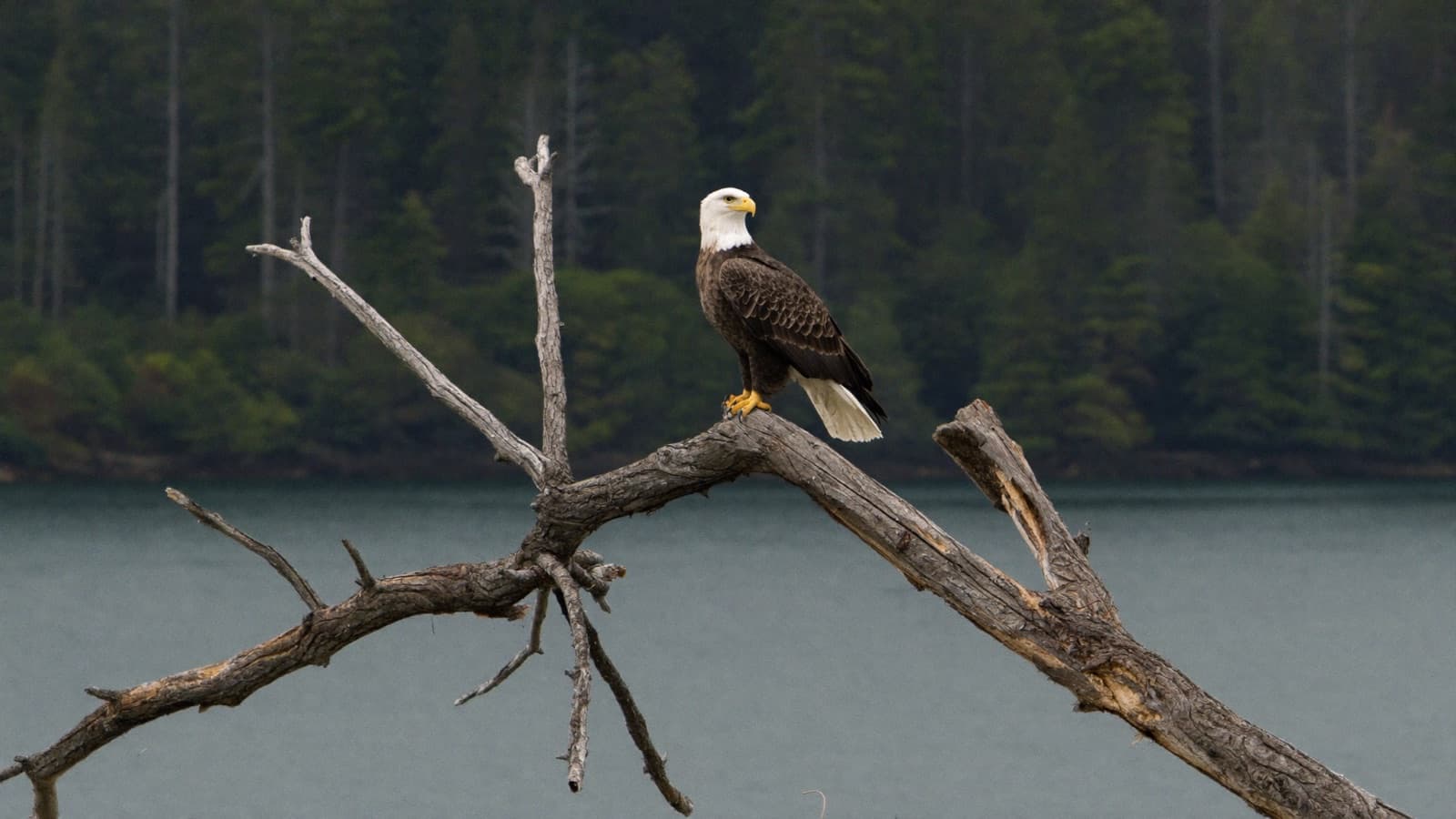
Wildlife
Choosing Binoculars for an Alaska Cruise
Binoculars are the most consistently under packed item on an Alaska cruise and the one that most changes what you see. The specification that matters is not the highest number but the most usable combination on a moving deck in grey light.
The short answer
An 8x42 pair is the best all round choice for an Alaska cruise. The 8x magnification is stable enough to hold steady on a moving ship, and the 42mm objective lenses gather enough light for the overcast conditions that dominate the region. Bring one pair per person rather than sharing.
Key points
- 8x42 is the best all round specification for Alaska.
- Higher magnification is harder to hold steady and shows less on a moving deck.
- Larger objective lenses matter because Alaska light is usually grey.
- Bring one pair per person. Sharing means one of you always misses it.
- A usable pair costs far less than most people assume.
Ask people what they wish they had packed for an Alaska cruise and binoculars come up more than anything else. Ask what they actually used and it is the same answer.
What the numbers mean
Binoculars are described by two numbers, such as 8x42.
The first number is magnification. 8x means the subject appears eight times closer.
The second is the objective lens diameter in millimetres. 42mm lenses gather more light than 32mm ones, which matters enormously in Alaska where most days are overcast.
Why 8x42 is the right answer
Stability. Magnification amplifies movement as well as image. At 8x, a hand tremor and the ship's motion are tolerable. At 12x they make the view unusable without support. On a moving deck, 8x shows you more than 12x does.
Field of view. Lower magnification means a wider view, which is what you need to find a whale that surfaced somewhere over there. Higher magnification narrows the field and makes acquiring a moving subject genuinely difficult.
Light. Southeast Alaska is grey most of the time and the best wildlife activity is often at dawn or dusk. 42mm objectives paired with 8x magnification give a large exit pupil, which is what makes a view look bright rather than dim.
Weight. An 8x42 pair typically weighs 600 to 750 grams, which you can hold up for a minute at a time. Larger objectives get heavy quickly.
The alternatives, and when they work
| Specification | Best for | Drawback |
|---|---|---|
| 8x42 | General Alaska use | None significant |
| 10x42 | Steady hands, distant subjects | Harder to hold, narrower field |
| 8x32 | Travelling light | Dimmer in overcast conditions |
| 7x50 | Marine use, very stable | Bulky and heavy |
| 12x50 and above | Tripod use from a stationary position | Unusable handheld on a ship |
| Image stabilised | Anyone who finds shake a problem | Expensive, needs batteries, heavier |
Image stabilised binoculars are genuinely excellent on a ship if the budget allows, because they solve the fundamental problem directly.
Features worth having
- Waterproof and fog proof. Alaska will test both. Look for nitrogen or argon purging.
- Rubber armouring. Grip in the wet and protection against knocks on a deck rail.
- Twist up eyecups if you wear glasses, with at least 15mm of eye relief.
- A neck strap or harness. You will wear these for hours.
- A rain guard for the eyepieces.
What you do not need
- Zoom binoculars, which compromise optical quality across the whole range
- Ruby coated lenses, which are a marketing feature that reduces light transmission
- Anything above 10x for handheld shipboard use
- Compass or rangefinder features
How much to spend
The honest answer is that the difference between owning binoculars and not owning them is far larger than the difference between a mid range pair and a premium one.
A competent waterproof 8x42 from an established optics manufacturer will transform what you see. If you already own something adequate, bring it rather than buying. If you are choosing between one expensive pair for a couple and two modest pairs, take the two modest pairs.
One pair each
This matters more than the specification. Wildlife events last seconds. If you are sharing, one of you is always looking at the wrong thing when the whale breaches, and handing binoculars across takes longer than the event.
Where you will use them
- From the ship on sea days, scanning shorelines and open water in the Inside Passage
- At glacier faces, finding harbour seals on ice and mountain goats on cliffs
- On whale watching boats, between sightings
- At Mendenhall Glacier, where the face is about a mile across the lake
- In Glacier Bay, particularly at Gloomy Knob for goats and South Marble Island for seabirds
- From your balcony at 5:30 am in a fjord
Care on board
Salt spray is corrosive. Rinse the exteriors with fresh water if they get a soaking on a boat trip, dry them properly, and never clean lenses with a shirt. Carry a microfibre cloth and use a lens pen for grit.
Bringing them indoors from cold air causes condensation. Leave them in a bag for a few minutes rather than wiping the fog off.
More gear guidance in the Alaska cruise packing list and the wildlife guide.
Frequently asked questions
What binoculars should I bring on an Alaska cruise?
Are higher magnification binoculars better for wildlife?
Do I need expensive binoculars for an Alaska cruise?
Should each person bring their own binoculars?
Related articles
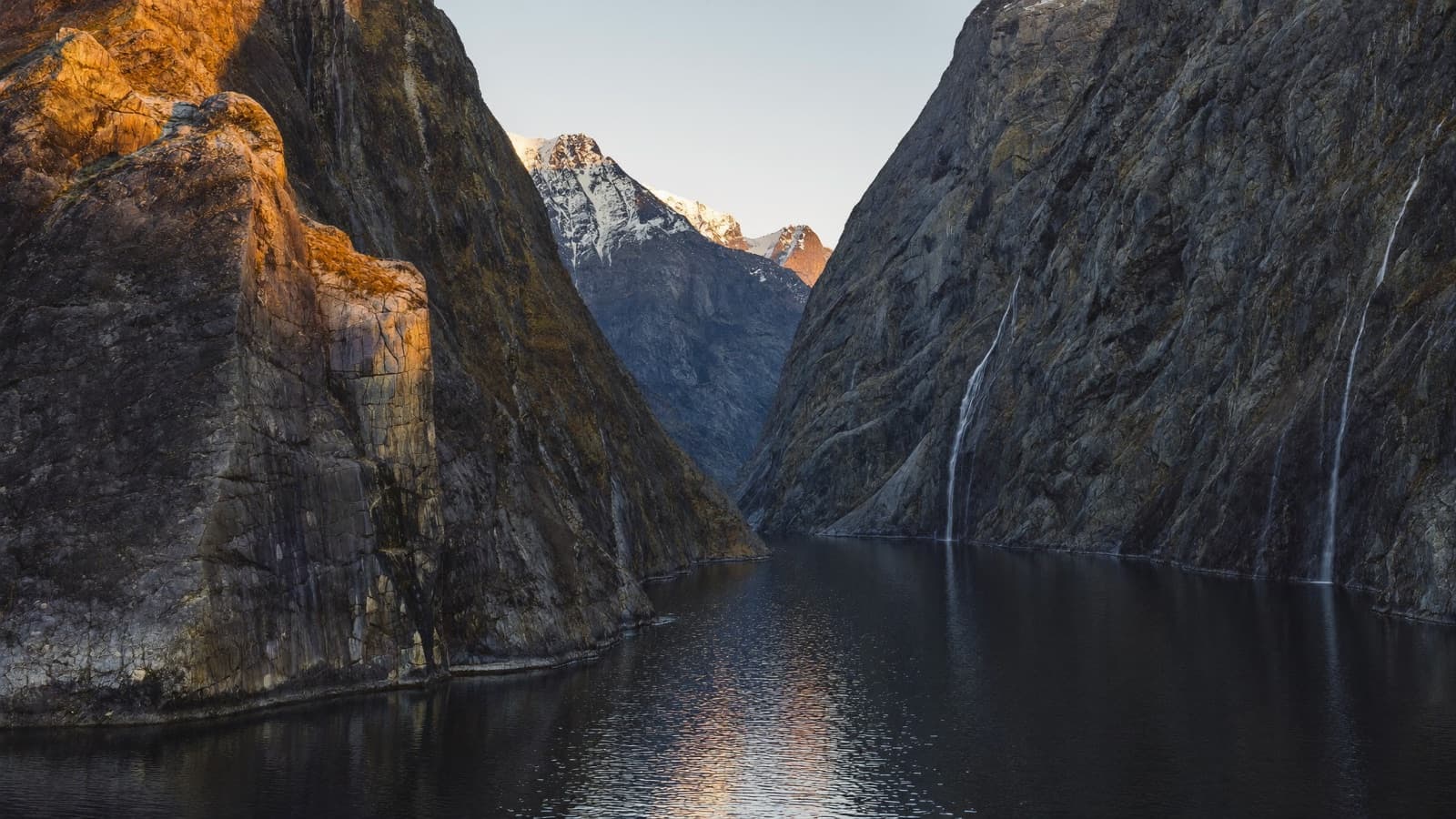
Photography
Alaska Cruise Photography Tips
How to photograph an Alaska cruise well, covering exposure for ice, whale settings, low light in fjords, gear choices and protecting equipment from rain.
Updated
Wildlife
Wildlife You Can See on an Alaska Cruise
A realistic guide to Alaska cruise wildlife, with sighting likelihood for each species, where and when to look, and how to improve your odds.
Updated
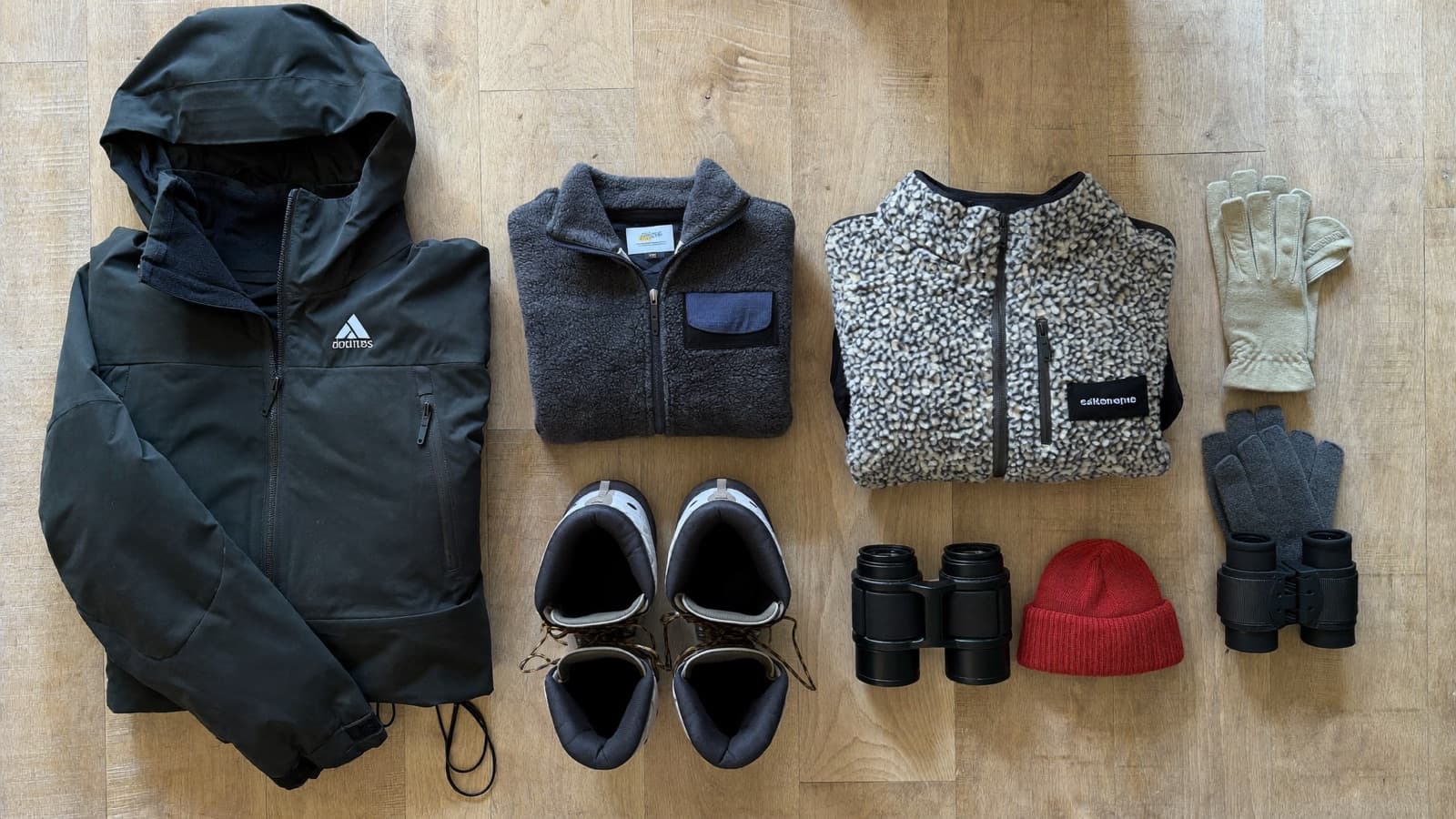
Planning
Alaska Packing Mistakes People Regret
The packing errors Alaska cruisers most often regret, from water resistant jackets to missing binoculars, and the cheap fixes for each.
Updated